Windows, often considered the weak link in thermal insulation in a home, represent a real challenge to maintain optimal indoor comfort. Each winter, a significant fraction of heat escapes through these glazed surfaces, while in summer, they become gateways for overwhelming heat. By 2025, the urgency for a sustainable and effective solution is apparent, and insulating films emerge as an appealing response. Through this article, let’s explore together the various features of these films, their advantages, and how to choose the one that suits your needs best. The choices are varied, but one thing is certain: investing in the right window technologies can make all the difference in energy bills.
Adhesive or electrostatic films: which choice to make?
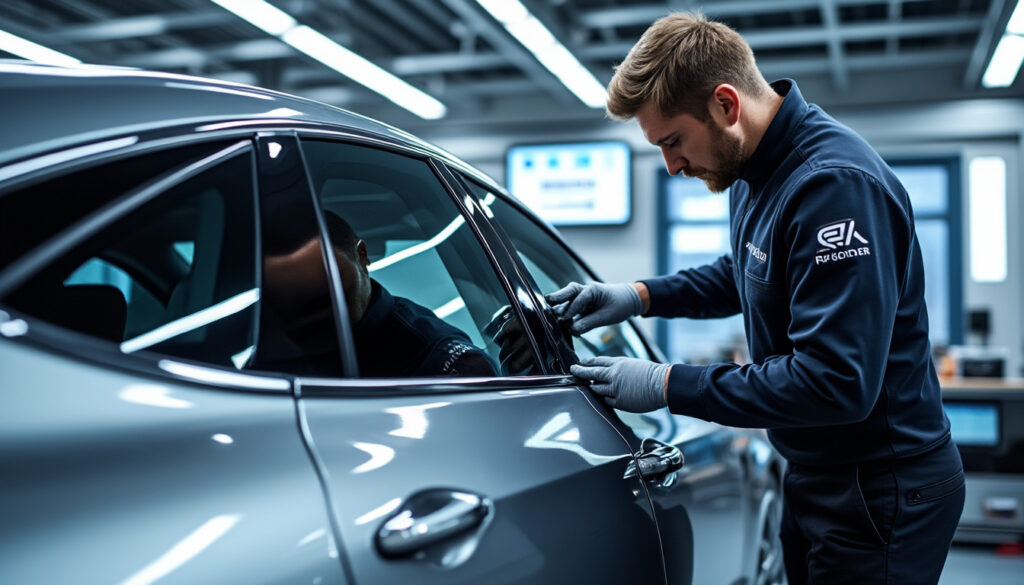
When it comes to insulating films for windows, two main categories stand out: adhesive films and electrostatic films. The former are glued directly onto the glass, which requires minimal technique during application. Once installed, these adhesive films stay in place and provide durable insulation, especially appreciated on large glazed surfaces. In terms of robustness and longevity, this choice is often preferred.
In contrast, electrostatic films attach without glue, using an electric charge principle. This makes them particularly convenient for those seeking a temporary solution, especially during summer periods. In case of installation errors, the film can be removed and repositioned without damaging the glass. It’s perfect for novices seeking flexibility.
So what is the best choice? The answer depends on each person’s priorities. If robustness and long-term thermal efficiency are priorities, then adhesive film is to be favored. On the other hand, for those looking for an adaptable and modular solution, electrostatic film is a highly relevant option. Ultimately, it all comes down to what you expect from your installation.
The diversity of types of insulating films
The market is full of variants of insulating films, each responding to specific needs. Here are some of the most commonly encountered types:
- 🎥 Metalized heat-reducing film: Effective, this film reflects heat and is ideal for large windows exposed to the sun.
- 🌞 Clear film with high light transmission: Perfect for spaces where brightness is essential, while providing adequate protection against heat.
- 🔆 Double season film: This model therefore combines protection against cold and against heat, ensuring impressive versatility.
- 🌧️ Film specific for polycarbonate glazing: Essential for certain windows like skylights.
The choice of the right film will largely depend on the intended use and the specific conditions of each residence. The needs for energy savings and the desire for optimal indoor comfort will need to be considered.
Impact of insulating films on brightness
One of the dilemmas encountered with the installation of thermal insulating films is undoubtedly their impact on natural brightness. Indeed, the more effective a film is at reducing heat, the more tinted or reflective it often is, which can darken your rooms.
Imagine for a moment… You want to live in a bright space while regulating the indoor temperature. This is achievable with the latest generation films! These can filter up to 66% of solar energy while maintaining a good level of brightness. This allows you to combine energy efficiency and indoor comfort, a true asset for anyone looking to improve their home.
It is thus possible to not sacrifice light for comfort. Solutions exist to maintain a pleasant atmosphere at home, while protecting against the cold in winter and the summer heat.
Installation of the insulating film: inside or outside?
A question often underestimated is that of the film’s placement: should it be installed inside or outside? To optimize the effectiveness of the film, exterior installation is recommended, as this prevents heat from passing through the glass and also reduces the risk of thermal shock that could damage the glazing or the film.
However, for small windows with standard double glazing, internal installation is a valid alternative, especially for surfaces not exceeding 1.2 m². For roof windows or sloped surfaces, internal installation often proves more technical and thus preferable.
This choice of placement directly impacts the efficiency of the film and the durability of the installation. It is essential to take these elements into account before proceeding.
Aesthetics and type of tint
Beyond their functionality, insulating films can also contribute to the aesthetics of your interior. Tints range from warm bronze to neutral gray, to shiny silver. For example, a silver tinted film has the advantage of reflecting the environment, while providing an elegant finish. Conversely, a coppery tint could blend well with wooden facades, bringing warmth and style.
Films with bluish tints, on the other hand, add a modern and dynamic touch. Thus, in addition to meeting the necessities of thermal insulation, it is indeed possible to show style.
This choice raises an essential question: why give up a harmonious style when technology allows for a combination of aesthetics with efficiency? Ultimately, each film installation project can become a great asset to enhance one’s home.
The practical advantages of thermal insulating films
Insulating films offer a multitude of advantages that go far beyond improving protection against the cold. Here are a few:
- 🌡️ Significant reduction in heat loss: In winter, these films reduce the amount of heat that escapes.
- ☀️ Reduction of summer overheating: They prevent heat from entering, making the interior more pleasant.
- 🪟 Improved indoor comfort: You can enjoy a constant temperature without excessive fluctuation.
- 💰 Energy bill savings: Less heating or cooling means real savings.
- 🌞 Protection against harmful UV rays: The films limit the impact of sunlight on your furniture and textiles.
- 🧼 Quick installation and easy maintenance: A simple installation that can be done by oneself.
These benefits demonstrate why investing in insulating films can prove to be not only a wise financial choice but also a gesture for the environment and long-term comfort.
Are insulating films easy to install?
Yes, most insulating films can be installed by oneself, with a bit of preparation.
What type of film is the most effective?
Metalized films and low-emissivity films are generally the most efficient in terms of insulation.
How long do these films last?
The lifespan of films can vary from 5 to 10 years, depending on the type and conditions of use.
Do the films affect brightness?
Yes, some reflective films can reduce the brightness of the room, but there are also films that offer a good balance.
Are insulating films an economical choice?
Yes, they are often less expensive than replacing windows and can offer a good return on investment.